
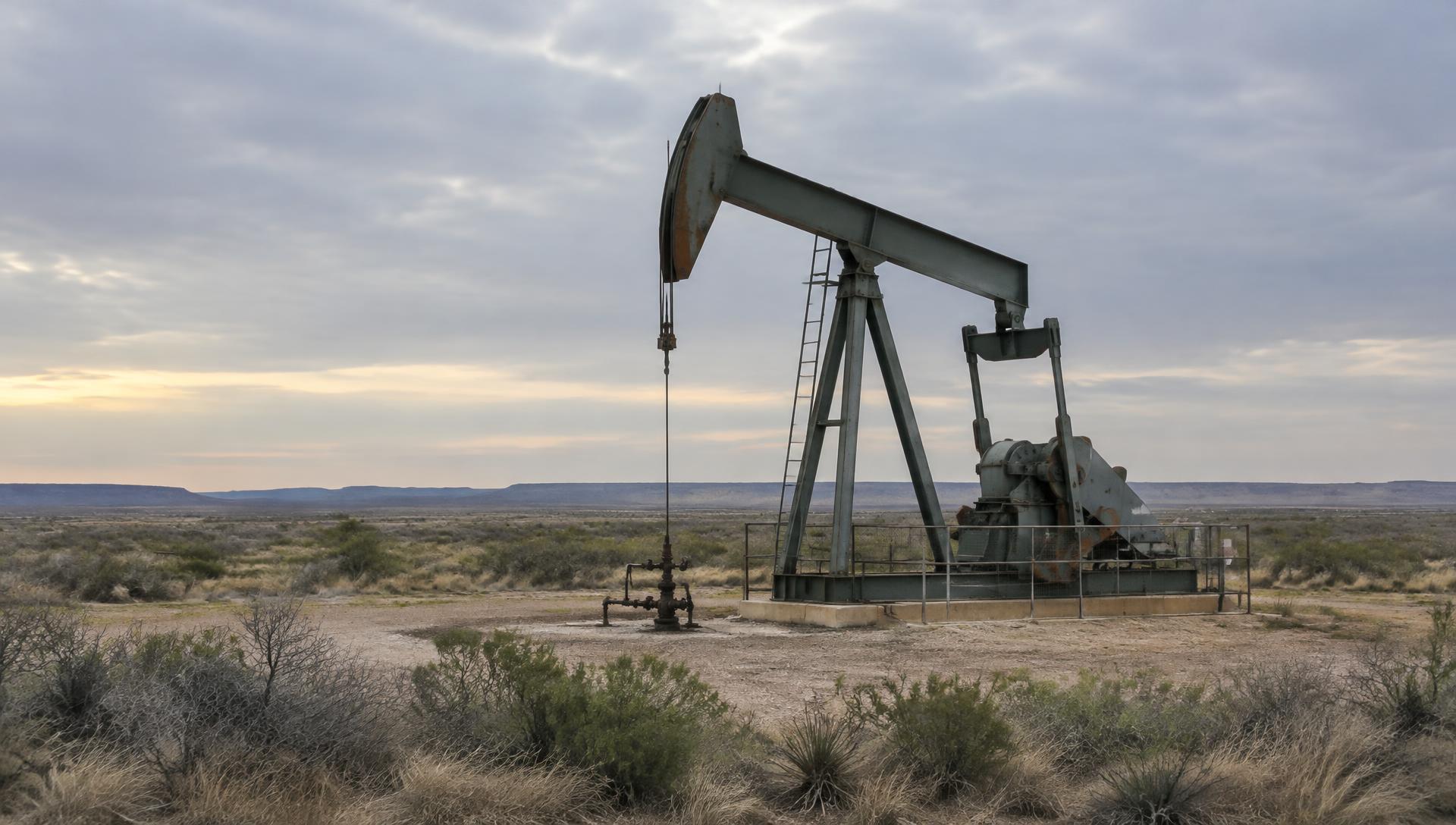
A reservoir changes as it is produced
A well is not a tap with an endless supply behind it. Reservoir pressure, fluid movement and conditions around the well change as production continues. Rates can decline, and the share of water in produced fluids can increase. The pattern depends on the reservoir and its development.
Decline is not the same for every well. Completion design, lift methods and pressure-support operations can affect the profile. A forecast needs those details; a generic percentage cannot replace field evidence.
Holding a plateau takes work
Suppose a production system reaches an average of 300,000 barrels per day. Sustaining it requires more than repeating yesterday's routine. Declines in existing wells may need to be offset by new wells, interventions or operating changes, where technically and economically justified.
EIA's Lower 48 analysis shows how new-well output can offset decline from existing wells. That industry pattern provides useful context for understanding plateau production. Whether a plateau can be sustained depends on a project's own wells, investment and constraints.
A lower rate is a question, not a diagnosis
When output falls, operators distinguish reservoir behavior from equipment trouble or surface restrictions. Pressure records, fluid volumes, downtime and maintenance history help. A pump problem and natural decline may look similar in one number but need different responses.
Maintenance can protect availability, but cannot guarantee a fixed oil rate. Repairs and workovers cost money and can require downtime. Decisions should compare likely recoverable production with the cost and risks of the work.
Watch the economics alongside the barrels
Revenue, operating costs and future obligations shape a field's useful life alongside production. More water handling, higher maintenance costs or lower oil prices change the economics. Oil remaining underground does not automatically make continued production worthwhile.
For a 300,000-barrel-per-day proposal, ask for its production profile, maintenance assumptions and plan for decline. A credible forecast explains how the rate may change. It does not treat the first strong result as a permanent promise.