
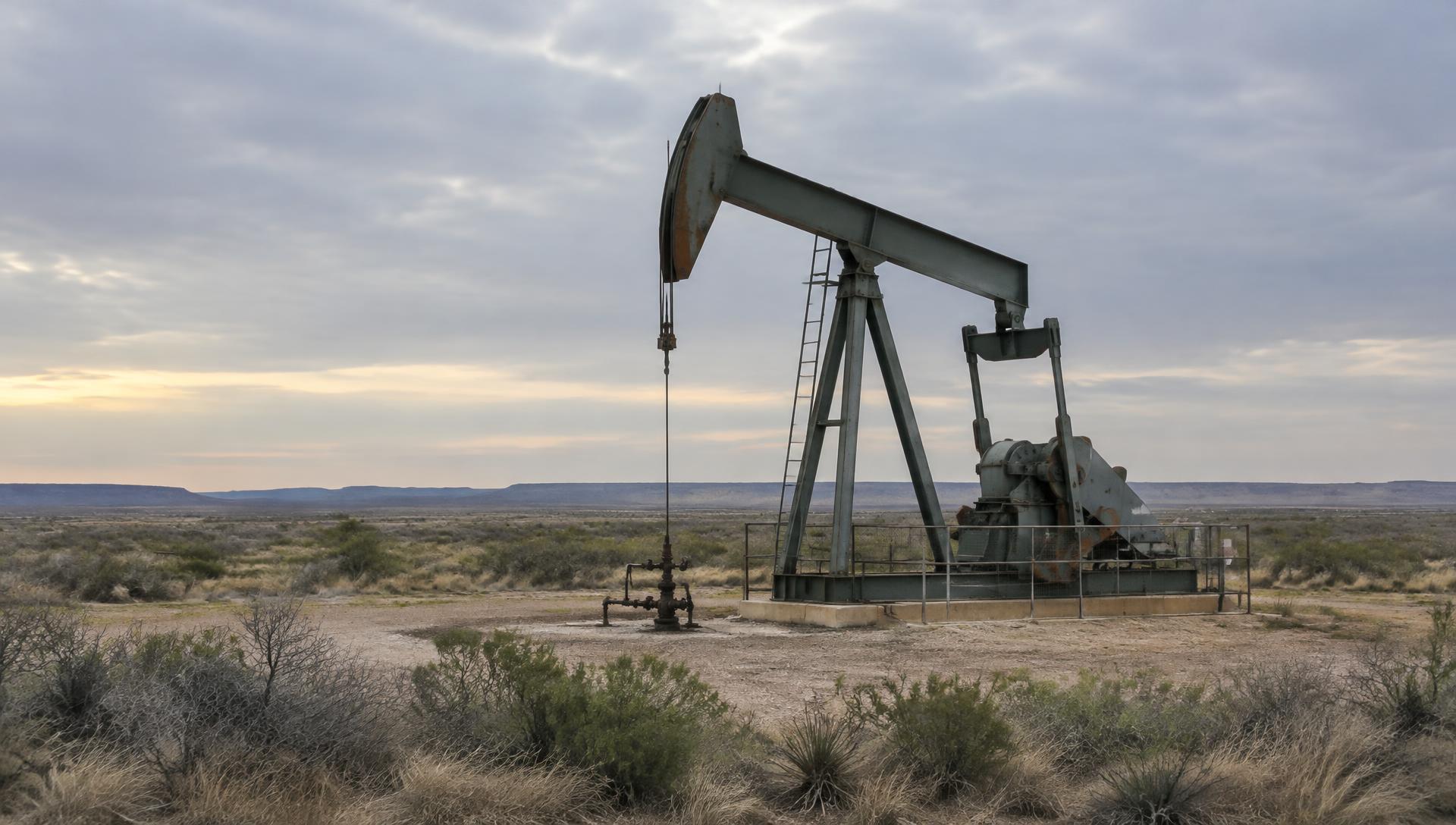
What is in a barrel?
In petroleum reporting, one barrel is 42 U.S. gallons. At 300,000 barrels per day, that is 12.6 million U.S. gallons per day. The barrel is a unit of measurement; it does not mean oil is being shipped in individual drums.
The label matters. Is a reported figure crude oil alone, crude plus condensate, or barrels of oil equivalent including gas? Those measures should not be compared without checking definitions. Here we mean crude oil barrels, not an oil-equivalent conversion.
A day is not a year
At exactly 300,000 barrels per day for 30 days, the total would be 9 million barrels. At that constant rate for a 365-day year, it would be 109.5 million barrels. Those totals describe volume over the stated periods at a constant rate.
Real output changes with maintenance, reservoir performance and transport interruptions. A daily average for a reporting period is total volume divided by the number of days in that period. A peak rate on one day should not be presented as a full-year average.
Capacity is another number again
A facility designed to handle 300,000 barrels per day does not necessarily process that amount every day. Capacity describes a limit under stated conditions. Actual throughput describes what moved through the system.
A target is not measured production either. Ask whether a rate is planned, tested, achieved or averaged. Check the period and measurement point, and whether the number is gross field production or an owner's net share.
Keep the labels separate
The annual total of 109.5 million barrels tells us what would flow at a constant rate for one year. It does not tell us how much recoverable oil is underground, how long the field could support the rate or whether production would be profitable.
Rate, period volume and reserves each answer a different question. Keeping those labels separate makes discussions of exploration and development much clearer—and keeps a large number from becoming an unsupported promise.